
blog
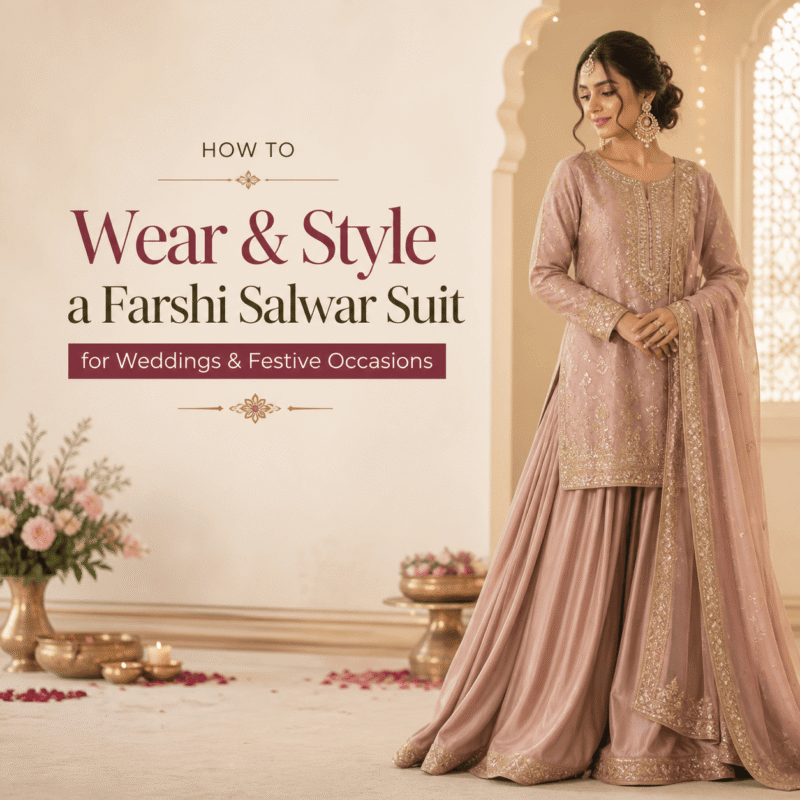
How to Wear and Style a Farshi Salwar Suit for Weddings and Festive Occasions
14
Jul
Jul
If you have ever seen a Farshi Salwar Suit in real life, you already know why it turns heads. It has that old-world, royal charm that feels made for weddings, mehndis, Eid dinners, Diwali parties, and every big family celebration where you want to look dressed up without looking try-hard.
Farshi is not just a “wide salwar.” It is a very specific silhouette that creates drama at the bottom, usually with a fuller flare and a longer, floor-grazing fall. Done right, it looks regal, graceful, and photogenic from every angle. Done wrong, it can feel heavy, overwhelming, or messy around the feet.
So in this guide, we will keep it simple and practical: how to wear it comfortably, how to choose the right pieces for your body type and the occasion, and how to style it so it looks intentional and elegant.
What Exactly Is A Farshi Salwar Suit?
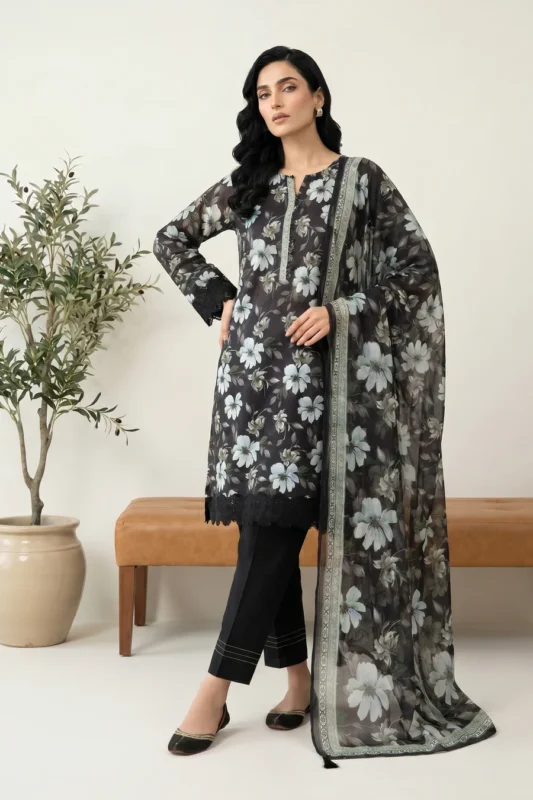
A Farshi Salwar is traditionally a voluminous, floor-length style of salwar that spreads elegantly near the hem, often giving the illusion of a lehenga-like flare while still being a salwar. It is commonly paired with a short or mid-length kameez and a statement dupatta. The overall look leans festive and formal, and that is why it is a natural fit for weddings and special occasions.
The beauty of a Farshi suit is in its movement. When you walk, the fabric falls in soft folds. When you sit, it pools like a gown. And when you pose for pictures, it frames the outfit in a way that looks rich and elevated, especially with embroidery, zari, gota, or sequins.
How To Choose The Right Farshi Suit For A Wedding Function
Before we get into styling, it helps to pick a Farshi suit that matches the vibe of the event. Not every Farshi needs to be heavily embroidered, and not every wedding function needs a full glam look.
For a daytime function like a dholki, haldi, or casual get-together, lighter fabrics like cotton blends, lawn, or soft georgette feel breathable and easy. Choosing the right fabric is essential here. Minimal embroidery, tasteful prints, or light threadwork keeps it festive without feeling too heavy.
For evening events like mehndi, sangeet, reception dinners, or Eid night gatherings, you can go bolder. Think velvet accents, organza dupattas, heavier borders, mirror work, sequins, or antique gold embellishments. This is where Farshi really shines because the volume at the bottom balances well with rich detailing.
For a formal wedding or baraat setting, a Farshi suit in deep jewel tones with structured embroidery looks luxurious. Pair it with a well-finished dupatta and statement jewelry from Soch, and you have a complete wedding guest look that can compete with lehengas but still feels different and special.
Getting The Fit Right (Because Farshi Needs Structure)
Farshi styling becomes effortless when the fit is correct. The salwar should sit securely at the waist, and the length should be planned with your footwear in mind. Too long, and you will constantly step on it. Too short, and you lose the signature floor-grazing look.
Here is the simple rule: the hem should skim the top of your footwear or sit just a touch above the floor so it moves freely without trapping under your heel. If you are wearing heels, get the length matched to the heel height you will actually wear at the event.
The kameez matters too. A Farshi ready made salwar looks best with a slightly shorter kameez than a typical straight suit because you want the flare to be visible. A very long kameez can hide the Farshi and make the outfit feel bulky. Mid-thigh to knee length is a sweet spot for most body types depending on how formal you want to look.
How To Drape The Dupatta With A Farshi Salwar Suit
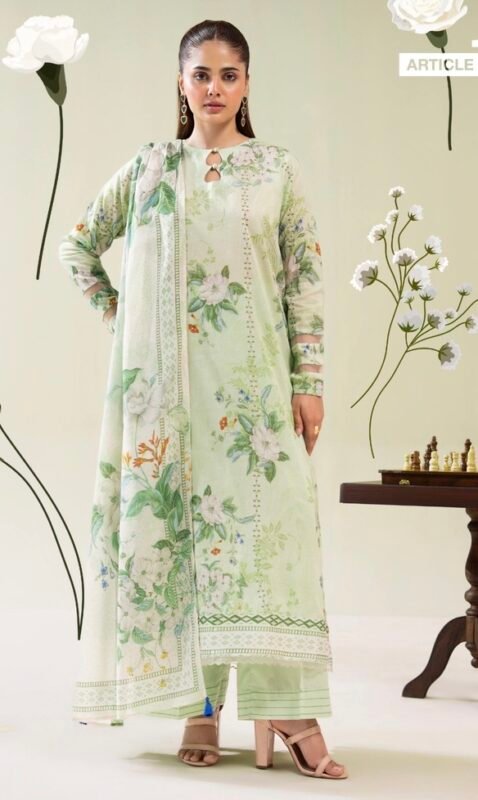
The dupatta can make or break a Farshi outfit. Because the bottom is already voluminous, you want a drape that adds elegance, not clutter.
If you want a classic, formal look, go for a dupatta over one shoulder, pinned neatly near the shoulder and the waist. This creates a clean line and keeps your hands free. It is especially flattering for wedding dinners and receptions, and it photographs beautifully. For more insights on dressing for Indian weddings, check out this Indian wedding guest dressing guide.
For mehndi or sangeet nights when you want a more festive vibe, a front drape with one end brought across the chest and the other end over the shoulder can work well, especially if your dupatta has a heavy border. Just keep it secure with pins so you are not constantly fixing it.
If the Farshi salwar suit is heavily embellished, consider a lighter dupatta like organza, chiffon, or net with a delicate border. If the suit is simpler, you can go the other way and use the dupatta as the hero piece with heavier embroidery or contrast color.
Footwear That Actually Works (Without Ruining The Hem)
Footwear is where most people struggle with Farshi because of the length and volume. The goal is to add height and posture, while still being able to walk confidently.
Block heels or wedges are a strong choice for weddings because they give height without sinking into grass lawns or slipping on banquet floors. If you prefer flats, choose juttis with a slightly elevated sole. Completely flat footwear can sometimes make the Farshi drag more, especially if the stitching is slightly longer than ideal.
Avoid very pointy stilettos if you are not comfortable walking in them. With Farshi, you want steady steps so the fabric falls gracefully. The outfit is already dramatic, so you do not need footwear that makes you nervous.
When accessorizing your Farshi salwar suit with jewellery and dupatta styling, consider following some expert styling tips that can elevate your overall look.
Jewelry Pairing: What Looks Regal Without Looking Too Much
Farshi Pakistani suits naturally look traditional, so jewelry that has heritage vibes usually complements them best. The key is balancing the neckline, the fabric richness, and your hairstyle.
If your kameez has a detailed neckline or heavy work on the chest, skip a heavy necklace and go for statement earrings instead. Jhumkas, chandbalis, or long danglers look perfect, especially when paired with a sleek bun or soft waves.
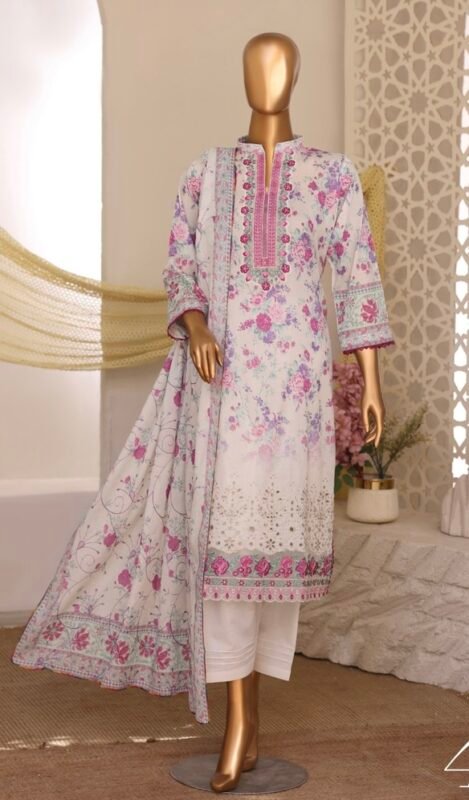
If the neckline is simple, this is your chance to wear a necklace. A kundan set, polki-inspired piece, pearl choker, or antique gold look can elevate the outfit instantly. Add bangles or a kada set for that festive finishing touch.
For a wedding guest look, one strong focus usually looks more polished than wearing everything at once. Pick one hero: either earrings, necklace, or a dramatic tikka.
Hairstyles That Complement The Farshi Silhouette
Because Farshi suits feel regal, hairstyles that look intentional and neat tend to pair best. Low buns, side-parted waves, or half-up styles work beautifully.
If you are wearing heavy earrings, a sleek bun or low ponytail lets the jewelry show. If your jewelry is minimal, you can do a softer hairstyle with curls for a romantic look.
For outdoor weddings or long functions, choose a style that will hold for hours. A slightly messy bun can look pretty in photos, but if it falls apart early, you will spend the whole night fixing it. Secure it well, and add a hair accessory only if your outfit is not already too ornate.
Makeup Tips For Weddings And Festive Occasions
Makeup should match the time of day and how heavy your outfit is. A Farshi salwar suit can lean grand, so makeup that looks balanced and bright works best.
For daytime functions, go for fresh skin, warm blush, soft shimmer on the eyes, and a comfortable lip color you can reapply easily. For evening events, you can intensify the eyes with liner, smoky tones, or glitter, and pair it with a deeper lip if your outfit is in rich colors.
If your suit is heavily embroidered, you do not need extremely heavy makeup to “match it.” Instead, aim for clean, polished glam. Your outfit already has a lot of visual detail, so your makeup should look refined, not overpowering.
Color And Fabric Pairings That Look Expensive
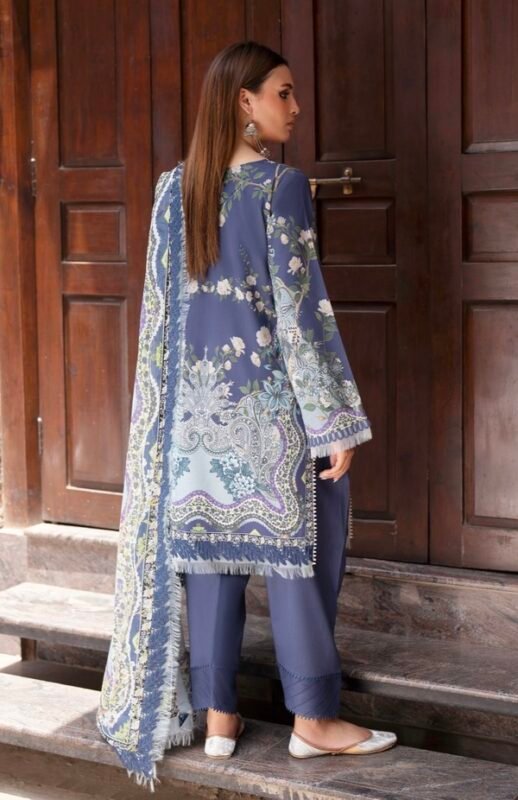
Certain combinations instantly make a Farshi look more premium. Jewel tones like emerald, maroon, navy, deep plum, and charcoal look luxurious for night events. Softer tones like powder pink, mint, beige, and ivory feel elegant for daytime or smaller celebrations.
Fabrics also change the mood. Georgette and chiffon feel flowy and light, net and organza feel airy and formal, and velvet accents feel winter-wedding ready. If you want that rich traditional vibe, look for detailed borders, quality embroidery finishing, and a dupatta that does not look flimsy.
In general, a well-made farshi salwar suit looks “expensive” when the hems are finished neatly, the embroidery lies flat, and the dupatta border has weight and structure.
How To Style A Farshi Suit For Different Wedding Events
You do not need a completely new wardrobe for every function. With small styling changes, you can make a farshi Pakistani suit work across multiple events.
For a mehndi, choose brighter colors, fun bangles, and a playful dupatta drape that feels festive. For a nikkah or formal ceremony, go more classic with clean draping, elegant jewelry, and neutral glam makeup. For a reception, go heavier on the jewelry and pick a dupatta with a rich border that adds drama in photos.
If you like to keep things practical, here are a few easy match-ups:
- Mehndi Or Sangeet: Bright shades, statement earrings, bangles, comfortable heels, playful dupatta drape
- Nikkah Or Wedding Ceremony: Softer glam, classic drape, refined jewelry, clean hairstyle
- Reception Or Dinner: Deeper colors, heavier dupatta border, bolder makeup, structured styling
Common Mistakes To Avoid With A Farshi Salwar Suit
A Farshi suit can look effortless, but only if you avoid a few common styling missteps. The first is choosing a kameez that is too long and hides the Farshi completely. The second is ignoring the length, then spending the whole function lifting the fabric while walking. The third is adding too many heavy elements at once, like a heavy neckline, heavy dupatta, heavy necklace, and heavy earrings, which can make the look feel crowded.
Finally, do not underestimate comfort. If you cannot move easily, you will not enjoy the event. A farshi salwar suit should feel graceful, not restrictive.
How To Keep It Comfortable For Long Functions
If you are attending a long wedding event, comfort becomes your secret styling trick. Use secure waist ties, wear comfortable inner layers if needed, and always pin the dupatta properly so you are not adjusting it every five minutes. Choose breathable fabrics for summer weddings and slightly richer fabrics for winter so you do not feel cold.
Also, practice walking in your Farshi at home with your footwear. This sounds simple, but it saves you from last-minute outfit stress.
FAQs
What Is The Best Dupatta Style For A Farshi Salwar Suit At A Wedding?
A one-shoulder pinned drape looks the most polished for weddings. It highlights the Farshi flare, stays secure for long hours, and creates clean lines in photos without adding bulk.
Can Petite Women Wear A Farshi Salwar Suit Without Looking Overwhelmed?
Yes. Choose a slightly less voluminous Farshi, keep the kameez above the knee, and wear a small heel. A neat dupatta drape and minimal cluttered layers keep the look balanced.
Which Fabrics Are Most Comfortable For Farshi Suits In Summer Functions?
Light georgette, chiffon, lawn, and cotton blends work best for summer. They create flow without heaviness, keep you cool, and still look festive with light embroidery and borders.
What Kind Of Jewelry Looks Best With Heavy Embroidered Farshi Suits?
If the neckline is heavy, skip a necklace and wear statement earrings like jhumkas or chandbalis. Add bangles and a small ring stack to finish without looking overloaded.
How Do I Stop My Farshi Salwar From Dragging On The Floor?
Get the length tailored with your planned footwear. The hem should skim the top of your shoes. Avoid completely flat slippers, and use block heels or slightly raised juttis for better clearance.
Explore Farshi Styles With The Fashion Generation
If you are building a festive wardrobe that actually feels rooted in culture, this is exactly what we do at The Fashion Generation. We started with a simple mission: to share the rich culture of Indian and Pakistani suits for women, and make beautifully made salwar suits easier to shop for women in India and across the world.
We curate daily wear, party wear, printed cotton styles, and stunning embroidered suits with quality you can feel and service you can trust. If you are ready to find a Farshi Salwar Suit that looks regal, fits well, and photographs like a dream, we would love to help you choose your next favorite piece.
